Ph.D. research
Snap Bean Yield Modeling and Harvest Scheduling
Overview
This doctoral research combined hyperspectral sensing and machine learning to model snap bean yield and assess harvest readiness, progressing from controlled greenhouse experiments to drone-based field studies. Greenhouse experiments examined relationships between plant spectra, yield, growth stage, and pod maturity to identify informative wavelengths and useful observation periods. The work developed models for growth-stage classification and harvest scheduling, then extended them to UAS hyperspectral imagery collected across multiple growing seasons and cultivars. Workflows included reflectance calibration, vegetation extraction, spectral denoising, feature selection through Jostar, and predictive modeling. The field studies evaluated yield estimation and pod-size classification. Across four publications, this research established a foundation for using crop spectral information to support timely, data-driven agricultural decisions.
A closer look
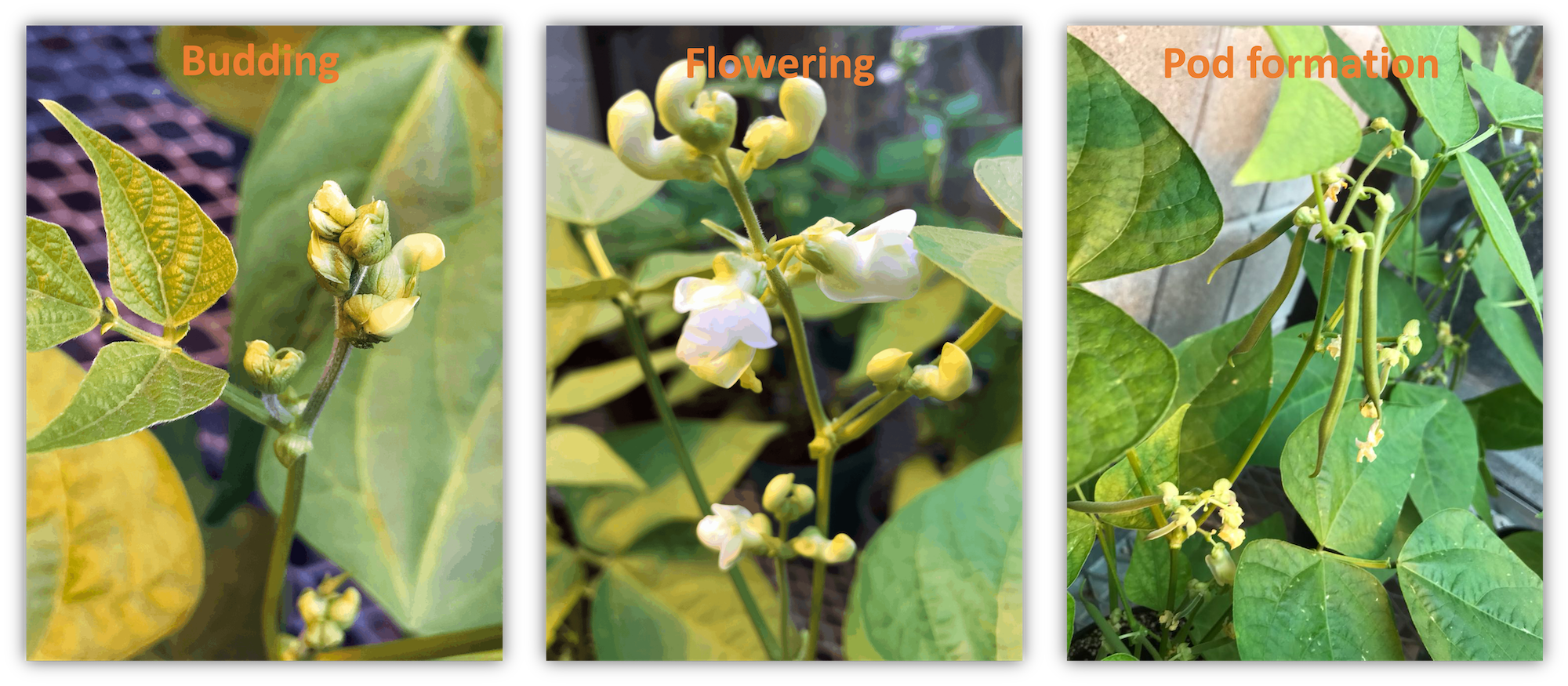
Snap bean growth stages
Growth stage of a common snap bean variety - Flowering, Budding, Pod Formation
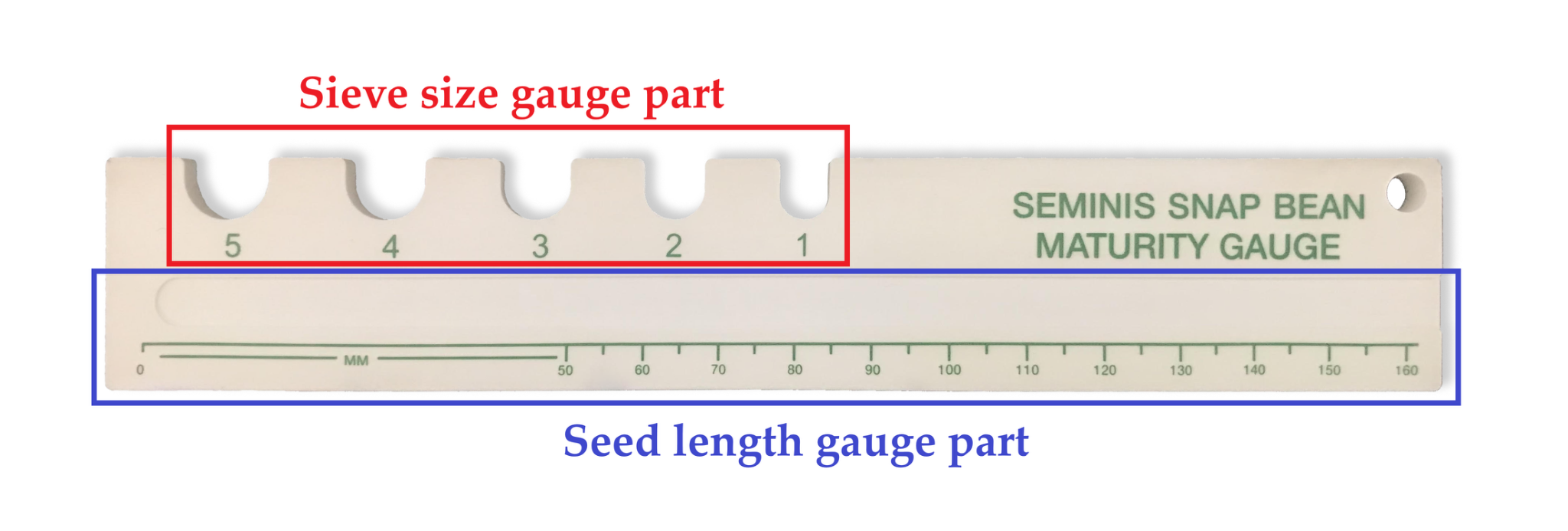
Sieve-gauge sampling
Farmers and growers manually sample snap bean pods using a sieve gauge to estimate pod size and determine harvest timing. This process is labor-intensive and prone to error due to spatial variability across the field. UAV-based precision agriculture can provide more accurate, field-wide estimates to optimize harvest decisions, reduce costs, and maximize profit.
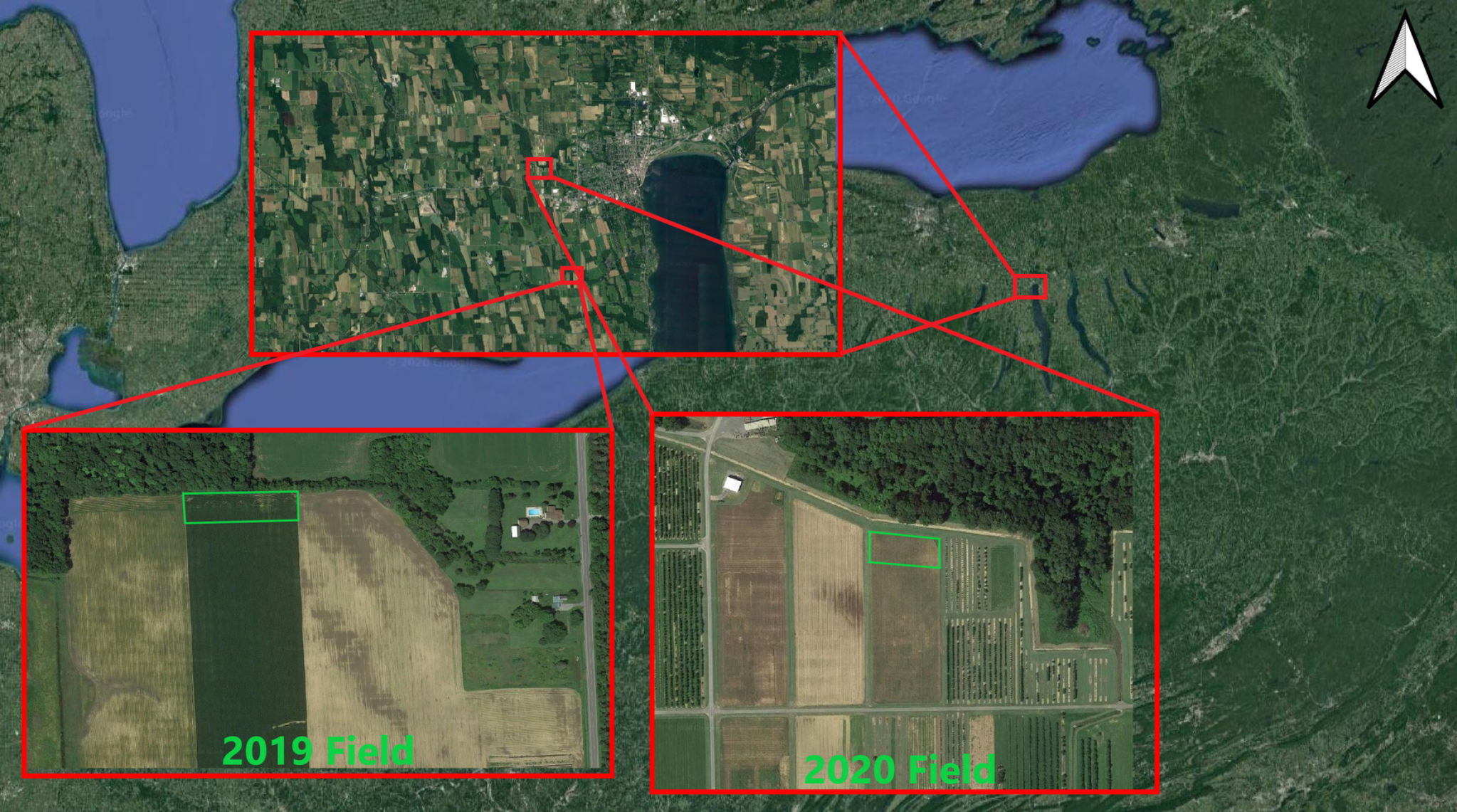
Field-study locations
The research was conducted across two locations over two years in Upstate New York, in collaboration with Cornell plant pathologists who provided ground-truth data.
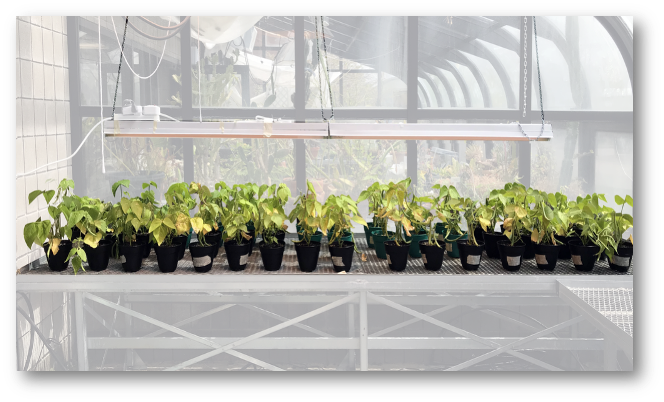
Controlled greenhouse study
We conducted a ideal-scenario controlled greenhouse study at RIT, then transferred the learned concepts and scaled the approach to field-scale UAV studies; for both yield and harvest scheduling
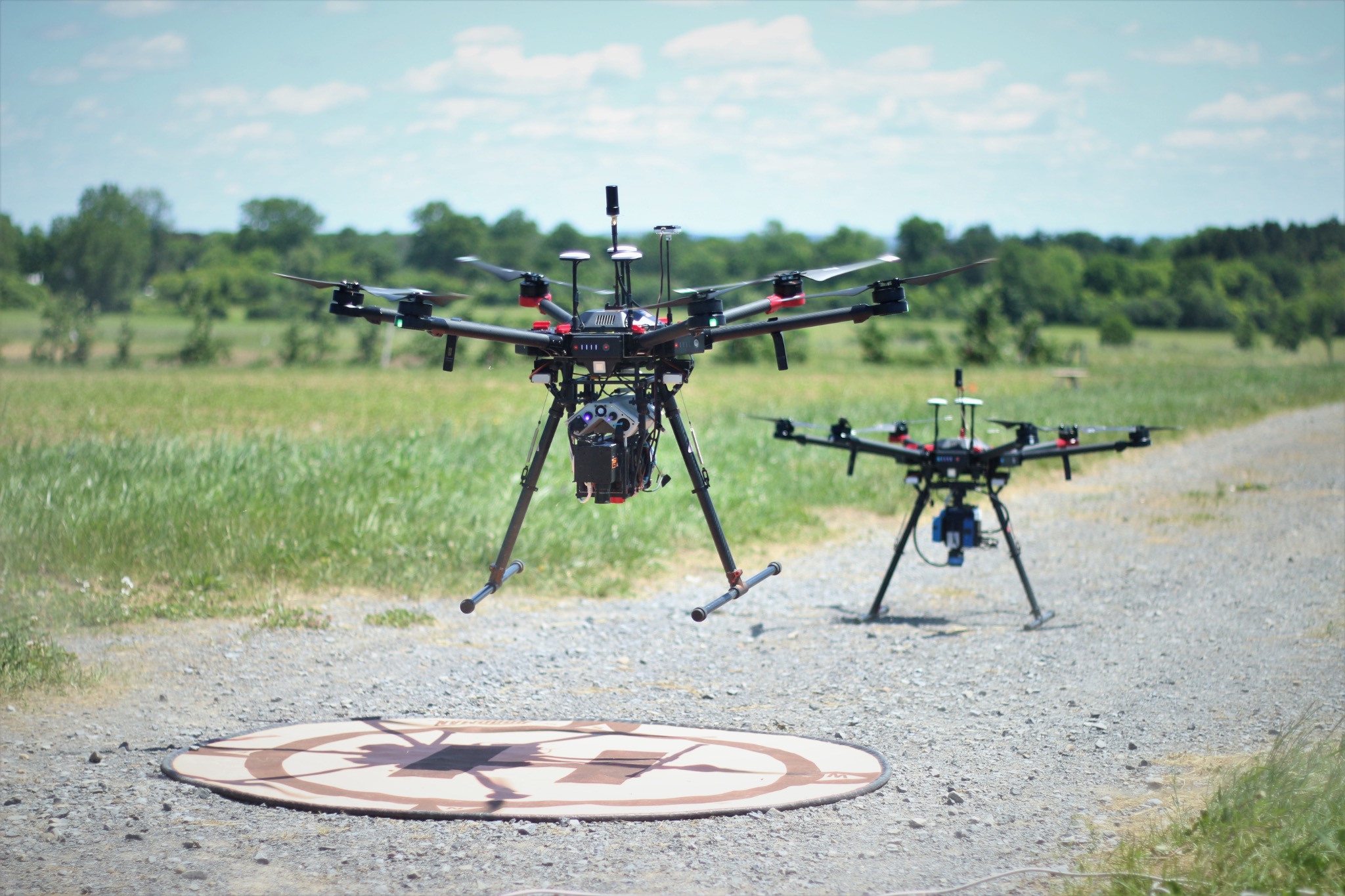
VNIR hyperspectral UAS collection
In-field data collection using a visible to near infrared (VNIR) hyperspectral UAS.
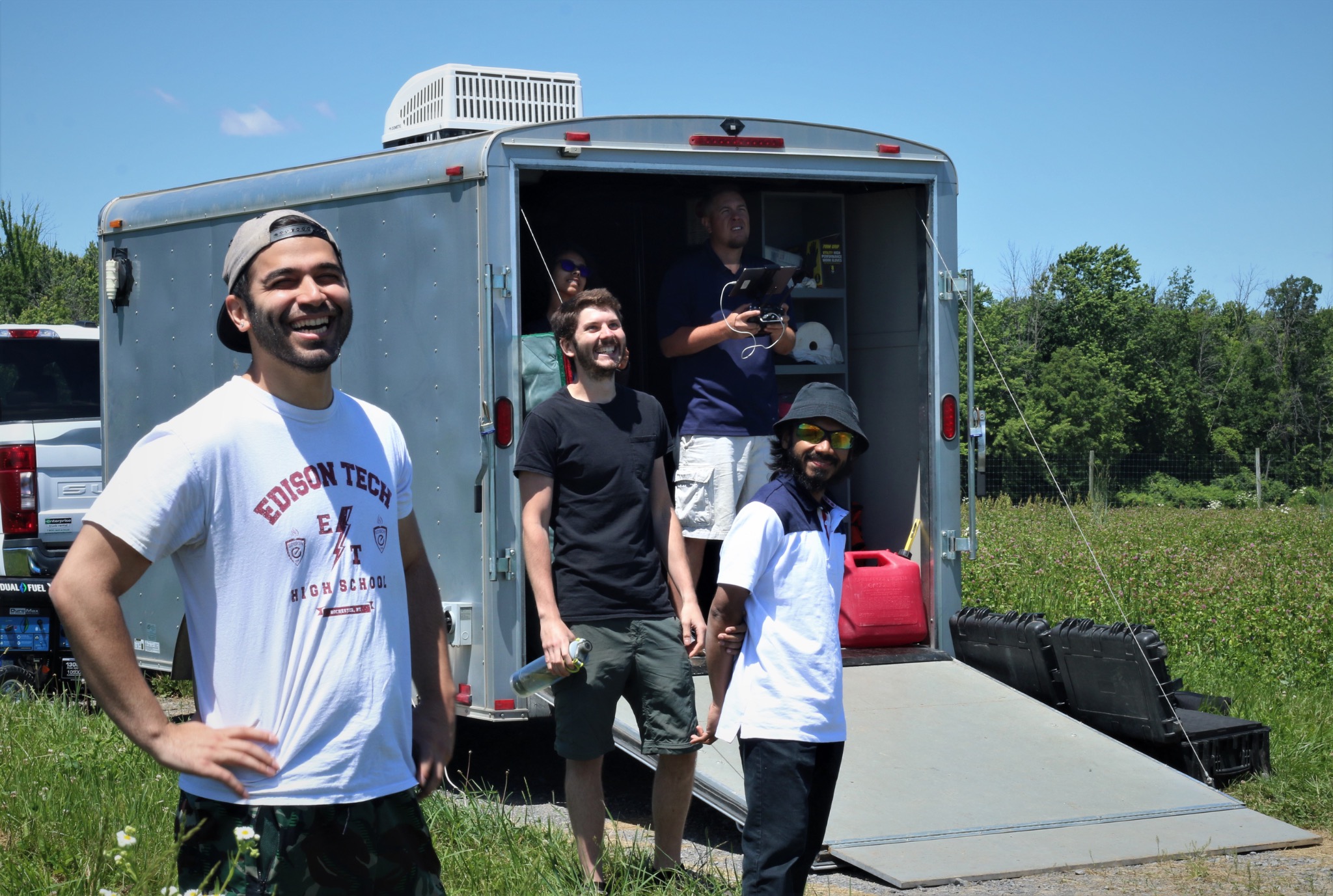
VNIR hyperspectral UAS collection
In-field data collection using a visible to near infrared (VNIR) hyperspectral UAS.
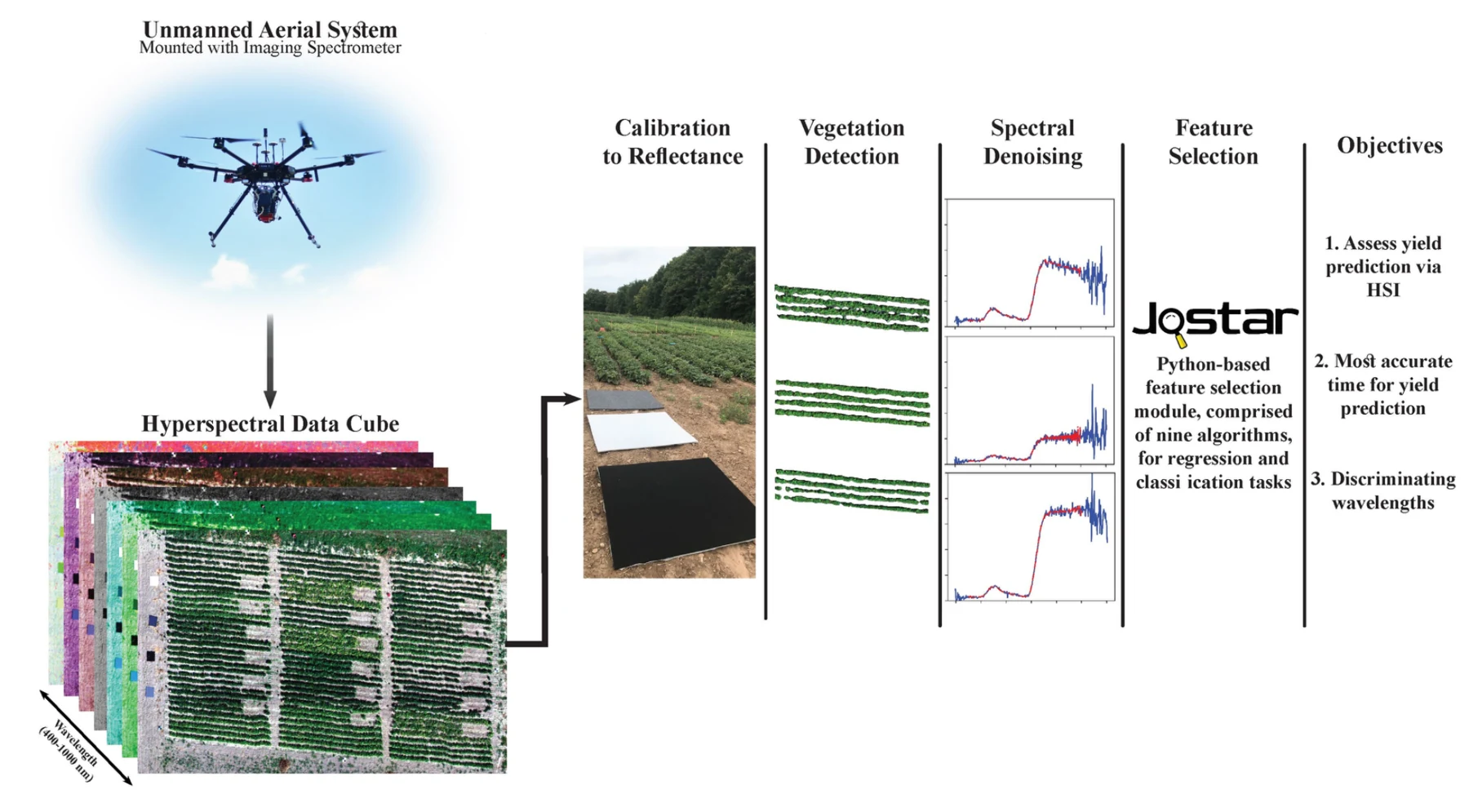
From drone imagery to crop decisions
Reflectance calibration, vegetation detection, spectral denoising, and Jostar feature selection support yield prediction and identification of informative wavelengths.
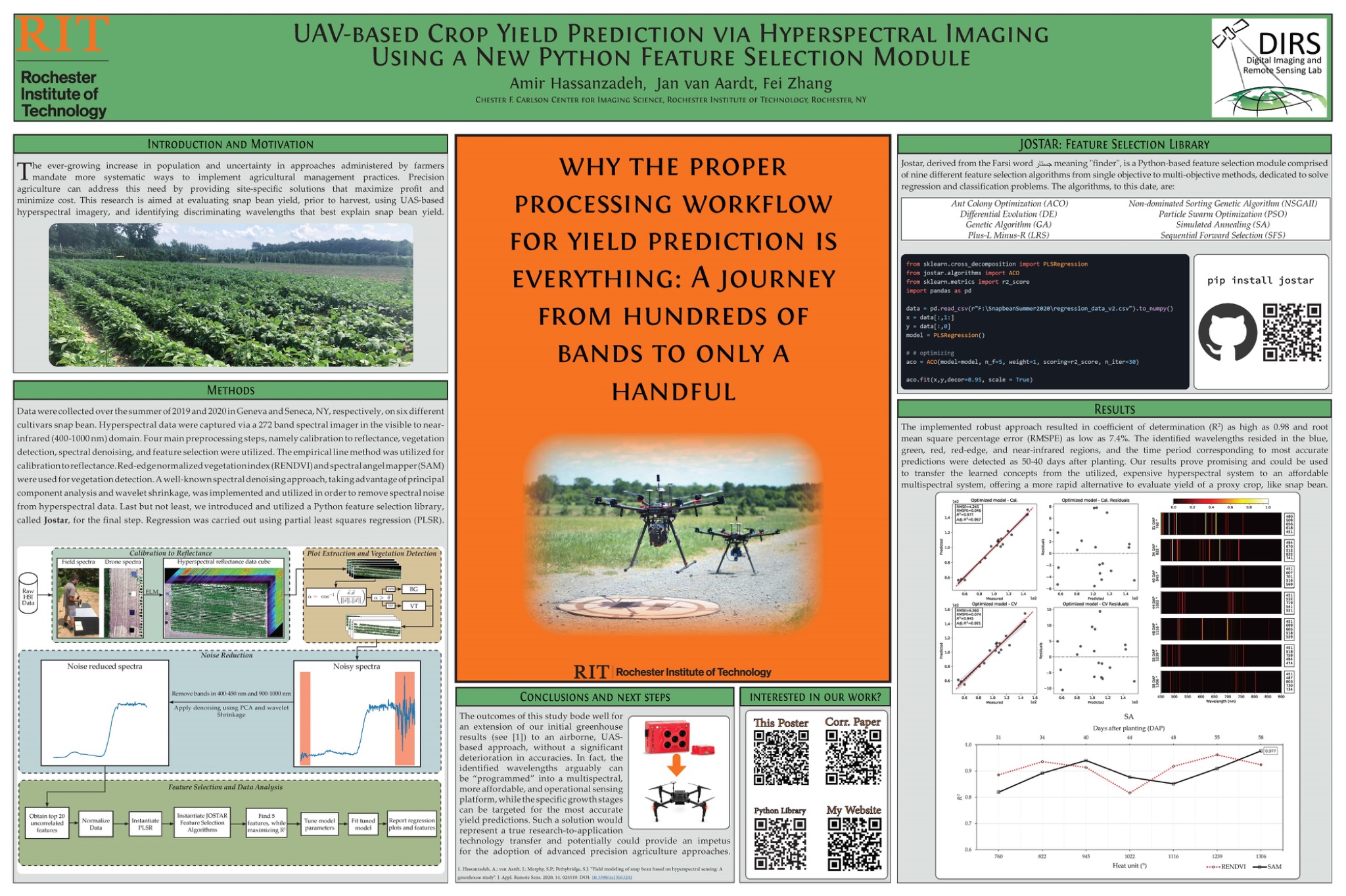
AGU 2021 poster presentation
AGU 2021 poster presentation. Showcasing the complete workflow and processing pipeline, from hyperspectral data calibration to vegetation extraction, PCA-based noise removal, feature selection, and modeling